How to Choose the Right Traditional Tattoo for Your First Ink
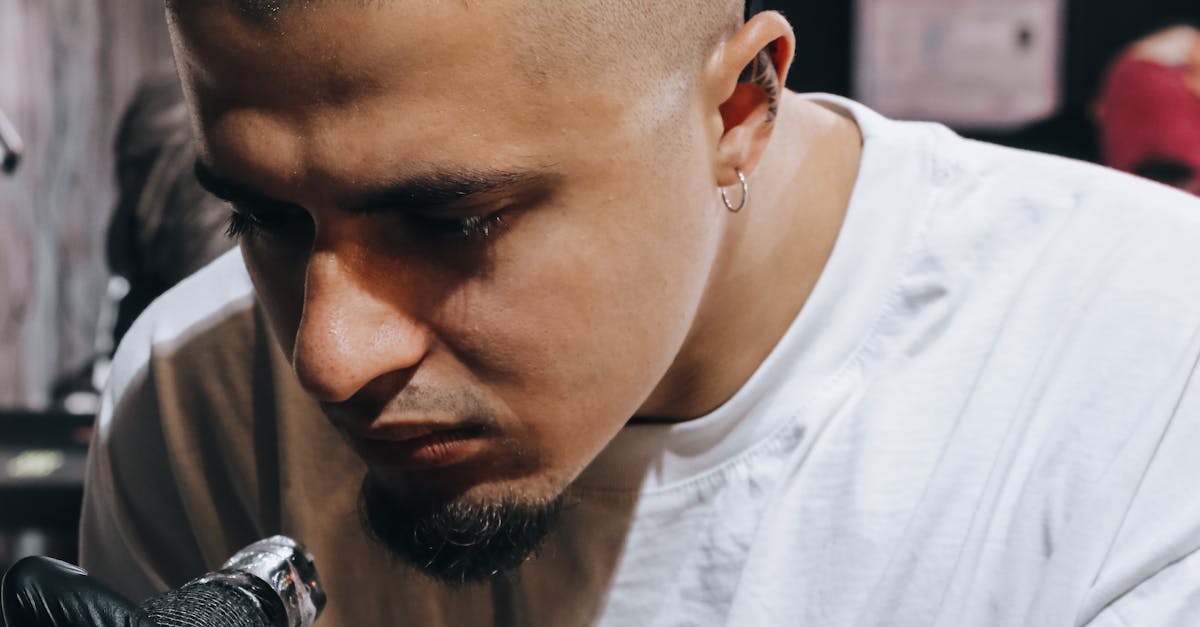
Table Of Contents
Reviewing Hygiene and Safety Practices
When considering your first tattoo, prioritising hygiene and safety is essential. It is crucial to ensure that the tattoo studio adheres to strict sanitation protocols. This includes the use of single-use needles and ink, as well as proper sterilisation of equipment. Observing the cleanliness of the studio can provide insights into the artist's commitment to health standards. If the environment feels unkempt or if the artist does not follow acceptable practices, it may be a sign to reconsider your choice of studio.
Researching the artist’s qualifications and experience can further ensure a safe tattooing experience. Reputable artists will often have certifications in blood-borne pathogens and infection control. Don’t hesitate to ask about their techniques and practices regarding hygiene. A professional tattoo artist will welcome your questions and provide clear answers. This not only fosters trust but also assures you that your health and safety are their top priorities.
Ensuring a Safe Tattooing Environment
A clean and well-maintained studio is crucial for a safe tattooing experience. Inspect the space for visible cleanliness, including floors, surfaces, and equipment. A reputable tattoo studio will display their health and sanitation practices clearly. Look for indicators such as sterilisation equipment and single-use needles. Certificates and licenses should be on display, ensuring that the artists adhere to regulatory standards.
The artist's behaviour also plays a significant role in ensuring safety. They should be wearing gloves at all times and demonstrate proper hygiene practices throughout the process. Engaging in conversation with the artist about their safety protocols can provide peace of mind. A professional artist will be more than willing to answer questions and explain their practices. This open communication fosters trust and ensures that the environment meets your expectations for health and safety.
Discussing Design Ideas with Your Artist
Effective communication with your tattoo artist is vital to ensure your design aligns with your vision. Begin by gathering inspiration from various sources like art books, online galleries, and cultural references. Present these ideas clearly, discussing what elements resonate with you. Artists appreciate visual aids, so sharing a mood board or sketches can make it easier for them to understand your preferences.
Listening to your artist's input is equally important. They bring technical expertise and artistic knowledge to the table. Be open to their suggestions regarding size, placement, and style, as they can help refine your ideas and create a more cohesive design. This collaboration ultimately contributes to a unique piece of art that reflects your personality while respecting the integrity of traditional tattoo techniques.
Communicating Your Vision Effectively
It is crucial to articulate your ideas clearly when discussing your tattoo with the artist. Gather inspiration by browsing various sources such as art books or online platforms like social media. Take note of the styles and elements that resonate with you. Consider creating a mood board that showcases your preferred designs, colours, and motifs. Sharing this collection provides the artist with a better understanding of your vision and helps bridge the gap between your expectations and their artistic interpretation.
Articulating your thoughts verbally ensures that the artist captures your intentions accurately. Describe not only what you like but also what the tattoo symbolises for you. Discussing the placement, size, and any personal significance can guide the artist in tailoring the design to suit your individuality. Be open to feedback as well; experienced tattooists may suggest adjustments that enhance the overall aesthetic or make the tattoo more suitable for your body. Open dialogue fosters a collaborative atmosphere, leading to a more satisfying outcome.
Understanding Tattoo Aftercare
Proper aftercare is crucial to the healing process of your new tattoo. The initial hours after getting inked are particularly important. It’s advisable to follow your artist's specific instructions, which may include keeping the tattoo covered for a designated period and avoiding exposure to water. Gently washing the area with a mild soap can help keep the tattoo clean without causing irritation. Applying a thin layer of moisturising ointment can promote healing while maintaining the vibrancy of the ink.
As the days progress, you might notice some peeling or flaking. Resisting the urge to pick or scratch is essential to prevent scarring and ensure the design remains intact. Staying hydrated and maintaining a healthy diet can also support your skin's healing abilities. Avoiding sun exposure and tanning beds during the healing phase is vital, as UV rays can fade the ink prematurely. A comprehensive aftercare routine can enhance the longevity and appearance of your tattoo.
Essential Steps for Healing Your First Tattoo
After getting your first tattoo, taking proper care of it is crucial for ensuring optimal healing. Begin by keeping the tattoo covered with a sterile bandage for at least the first few hours. This protects the freshly inked skin from dirt and bacteria. When removing the bandage, gently wash the area with mild soap and lukewarm water. Avoid scrubbing; pat the skin dry with a clean towel instead.
Moisturising your tattoo is important for preventing dryness and promoting healing. Look for a fragrance-free lotion or an ointment specifically designed for tattoos.Apply a thin layer several times a day for the first couple of weeks. It's vital to resist the urge to scratch or pick at any scabs that may form. Keeping the tattoo out of direct sunlight during the healing process helps prevent discolouration and fading.
FAQS
What should I look for when reviewing hygiene and safety practices at a tattoo studio?
When reviewing hygiene and safety practices, ensure the studio uses sterile equipment, has a clean environment, and follows health regulations. Ask about their protocols for sanitising surfaces and how they handle waste disposal.
How can I ensure I have a safe tattooing environment?
To ensure a safe tattooing environment, visit the studio beforehand to assess cleanliness, ask the artist about their hygiene practices, and confirm that all needles and equipment are single-use and properly sterilised.
What are some design ideas I can discuss with my tattoo artist?
You can discuss various design ideas such as traditional motifs, personal symbols, or meaningful quotes. Consider researching traditional tattoo styles like tribal, Japanese, or American traditional to inspire your conversation.
How can I communicate my vision effectively to my tattoo artist?
To communicate your vision effectively, bring reference images, describe the emotions or meanings behind your desired design, and be open to your artist's suggestions and expertise to create a cohesive final piece.
What essential steps should I follow for healing my first tattoo?
For healing your first tattoo, follow these essential steps: keep the area clean and dry, apply a thin layer of moisturiser recommended by your artist, avoid soaking in water, and protect the tattoo from direct sunlight or friction until fully healed.
Related Links
Common Themes in Gold Coast Traditional Tattoo ArtTraditional Tattoo Inspirations from Gold Coast's Landscape
Exploring the Evolution of Traditional Tattoo Styles on the Gold Coast
A Deep Dive into the History of Traditional Tattoos in Australia
Influential Traditional Tattoo Artists Based in Gold Coast
Mastering the Art of Traditional Tattoo Techniques in Gold Coast
Cultural Significance of Traditional Tattoos Among Gold Coast Artists