The Evolution of Watercolour Tattoo Styles in Australia
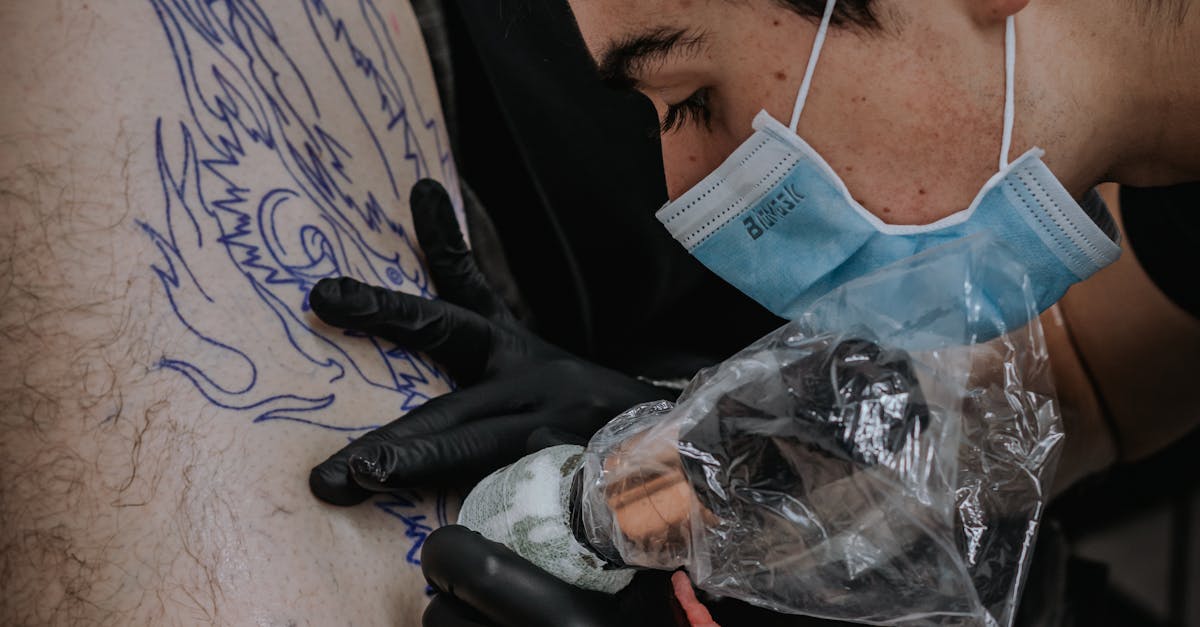
Table Of Contents
Cultural Acceptance of Watercolour Tattoos
In recent years, watercolour tattoos have carved out a niche in the wider tattoo industry, gaining popularity among both tattoo enthusiasts and casual observers. This artistic style, characterised by its vibrant, flowing colours and painterly effects, has captured the imagination of many. Social media has played a significant role in showcasing the beauty of these tattoos, allowing potential clients to explore various designs and artists from the comfort of their homes. As more individuals proudly display these artworks on their skin, the perception of tattoos as merely rebellious or subcultural has shifted toward a more widespread acceptance of body art as a legitimate form of creative expression.
The increasing visibility of watercolour tattoos in mainstream culture reflects a broader trend of embracing body art. Galleries and art exhibitions featuring tattoo artists have started to emerge, pushing the boundaries of how tattoos are viewed within artistic communities. Traditional barriers separating art and body modification have become more blurred, with tattoo conventions now celebrating diverse styles and techniques. This evolving mindset encourages people from various backgrounds to consider watercolour tattoos not just as body art, but as unique pieces of personal artistry that tell individual stories.
Changing Perceptions in Society
The acceptance of tattoos within Australian society has transformed significantly over recent years. Where tattoos were once predominantly associated with counterculture and rebellion, they have now become mainstream expressions of identity and personal artistry. The rise of social media platforms has played a pivotal role in this shift, showcasing a broad spectrum of styles and fostering a community that embraces body art as a legitimate form of self-expression. The vibrant watercolour tattoo style, with its fluid, painterly quality, has particularly captivated those seeking to blend fine art with personal significance.
As traditional stereotypes surrounding tattoos fade, an increasing number of individuals from diverse backgrounds are choosing to adorn their bodies with watercolour designs. This style's unique aesthetic resonates with many, allowing them to express their individuality in a visually striking manner. Conversations surrounding tattoos have evolved, with greater appreciation for their artistic merit and cultural significance. This evolving narrative has led to broader acceptance among various demographics, reinforcing the idea that tattoos can be both beautiful and meaningful.
The Role of Artists in the Evolution
Tattoo artists have played a pivotal role in the development and popularisation of watercolour tattoos in Australia. Many began experimenting with this style during the early 2010s, inspired by the fluidity and vibrancy of traditional watercolour painting. These artists sought to bring an innovative approach to body art, moving away from conventional line work. Their unique techniques focused on blending colours and creating soft, gradient effects that mimic the appearance of a watercolour painting. As a result, this artistry has appealed to a wider audience, garnering appreciation from both collectors and the tattoo community alike.
As the watercolour style gained traction, various artists began to emerge as leaders within the movement. They not only honed their craft but also contributed to the discourse surrounding tattoo artistry. Through social media platforms, influential artists showcased their works, generating significant interest and establishing their unique identities. This visibility has encouraged aspiring tattooists to explore watercolour techniques further, fostering a collaborative environment within the artistic community. The dialogue between established and emerging artists continues to shape the watercolour tattoo landscape in Australia, pushing it into new realms of creativity.
Profiles of Influential Tattoo Artists
Watercolour tattoos have seen significant contributions from visionary artists who have pushed the boundaries of this art form, shaping its identity in Australia. One notable figure is Kat Von D, who gained fame for her inventive styles that blend delicacy with bold colours. Her approach has inspired a generation of tattoo enthusiasts and artists. Another influential artist, Delaney McNabb, has made waves with her ethereal designs, often drawing inspiration from nature. Her work showcases the fluidity and vibrant aesthetics characteristic of watercolour tattoos, attracting attention both locally and internationally.
Emerging talents like Mo Ganji have also made their mark, combining intricate line work with vibrant watercolour techniques, thereby redefining traditional tattooing. Australian artist Fifth Horseman is known for their unique ability to incorporate abstract elements into watercolour tattoos, creating a personalised experience for clients. These artists not only elevate the craft but also foster a growing community that embraces the evolving nature of body art, continuously exploring new techniques and styles.
Watercolour Tattoos and Body Art Movements
The emergence of watercolour tattoos has significantly influenced the broader landscape of body art movements. Artists have drawn inspiration from various artistic styles to integrate vibrant hues and delicate brushstroke techniques into their tattoo work. This blending of aesthetics creates tattoos that evoke the spontaneity and fluidity of traditional watercolour paintings. As favourites among art enthusiasts and tattoo collectors alike, these designs challenge conventional norms, showcasing the potential of tattoos as a genuine form of artistic expression.
Collaboration among tattoo artists is increasingly common as they seek to redefine traditional boundaries. Watercolour tattoos often merge with other styles, such as realism or geometric design, resulting in innovative combinations that captivate audiences. The interplay between different techniques highlights the evolving nature of tattoo art, attracting both seasoned collectors and newcomers. This fusion not only elevates watercolour tattoos but also contributes to an ongoing dialogue within the tattoo community about creativity and artistic integrity.
Integration with Other Tattoo Styles
The fusion of watercolour tattoos with other styles has created unique and visually arresting designs. These hybrids take advantage of the vibrancy and fluidity of watercolour elements while integrating classic techniques such as blackwork, realism, and traditional tattoo art. This blending often results in an artwork that carries depth and richness, combining the bold lines and shading of conventional tattoos with the soft, swirling colours characteristic of watercolour.
Many artists experiment by layering techniques to highlight different aspects of their designs. For instance, adding intricate line work over splashes of colour can provide contrast that draws the eye, creating a dynamic visual effect. This ability to merge styles not only showcases an artist's versatility but also caters to clients seeking personalised and original body art that stands out. These combinations are reflective of evolving trends within tattoo culture, emphasising individuality and creativity in body art.
FAQS
What are watercolour tattoos?
Watercolour tattoos are a style of body art that mimics the brush strokes and vibrant pigments of watercolour paintings, often featuring soft edges and blended colours.
How have perceptions of watercolour tattoos changed in Australia?
Perceptions have evolved significantly, with society becoming more accepting of unique tattoo styles, including watercolour tattoos, as artistic expressions rather than just body modifications.
Who are some influential tattoo artists in the watercolour style?
Notable artists in Australia include names like [insert artist names], who have contributed to the popularity and recognition of watercolour tattoos through their innovative techniques and unique designs.
How do watercolour tattoos integrate with other styles?
Watercolour tattoos often blend seamlessly with traditional tattoo styles, such as realism and abstract art, creating a dynamic fusion that enhances the overall impact of the body art.
Are watercolour tattoos more challenging to create than traditional tattoos?
Yes, watercolour tattoos can be more challenging as they require a deep understanding of colour blending, shading, and the ability to create the illusion of movement and fluidity on the skin.
Related Links
Watercolour Tattoos: A Guide to Custom DesignsColour Palettes for Stunning Watercolour Tattoos
Watercolour Tattoos: Unique Stories Behind Popular Designs
Behind the Scenes: Creating a Watercolour Masterpiece in Gold Coast
Showcasing Watercolour Ink: Best Practices for Long-lasting Results
The Importance of Skin Tone in Watercolour Tattoo Art